A Memory of Home
I remember visiting my grandmother's home as a child. It was a modest little place, with worn furniture and creaky floorboards. Years later, I struggle to recall the exact color of the walls or the patterns on her curtains. But what I do remember is the warmth of the kitchen, the smell of fresh bread, and the sound of laughter echoing through the halls. It’s this atmosphere—this feeling—that has stayed with me, long after I’ve forgotten the details of her decor.
Why Atmosphere Matters More Than Decoration
In today's world, it seems that we are constantly bombarded with images of picture-perfect homes, stylish furniture, and the latest trends. Yet, when we visit someone’s home, what truly resonates is not the carefully curated decor, but the atmosphere created within those walls. A cozy, welcoming environment invites connection, making us feel at ease and encouraging us to linger a little longer.
The Homes We Remember Throughout Life
Think back to the homes that have left a mark on your heart. It’s likely they were not the fanciest or the most stylish, but rather places filled with love, laughter, and warmth. From a friend’s apartment overflowing with books to a family member’s kitchen where you spent countless hours, these are the spaces that foster connections and create lasting memories.
The Psychology of Comfort
Comfort is a fundamental human need. Psychologically, when we feel safe and at home, we are more open to forming connections with others. It’s not about the aesthetic appeal; it’s about the emotional resonance. Comfortable spaces allow us to be ourselves, to unwind, and to share experiences without the pressure of perfection.
Why Hospitality is More Powerful Than Design
Hospitality is the art of making others feel welcome, and it often transcends the design of a space. A warm smile, a kind invitation to sit down, or a cup of tea shared around a table can create connections that far outweigh any visual appeal. When we prioritize hospitality, we cultivate a sense of belonging that guests will remember long after they leave.
Small Rituals That Make a House Feel Welcoming
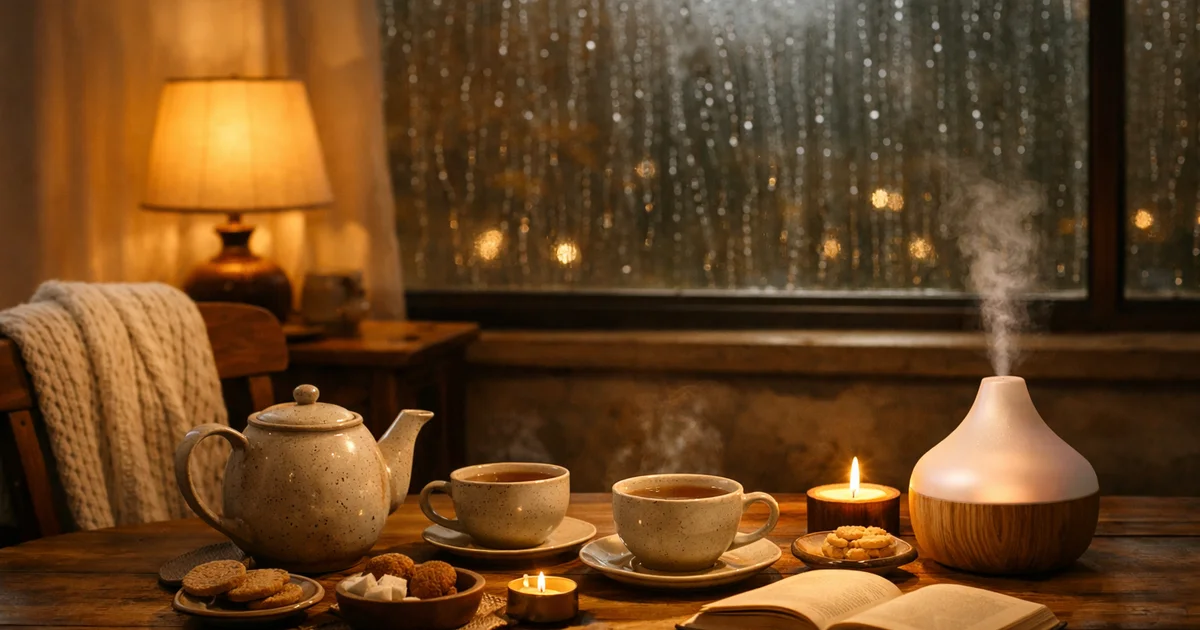
There are small, simple rituals that can transform an ordinary house into a home. Lighting a candle, brewing a pot of tea, or wrapping yourself in a cozy blanket can create a sense of warmth. These small acts foster an atmosphere of comfort that envelops everyone within.
The Difference Between a Showroom and a Home
A showroom is designed to impress, showcasing the latest trends and styles, while a home is a living, breathing entity filled with memories and stories. It’s the imperfections—scuffed walls, mismatched furniture—that often tell the most beautiful stories. Embracing the lived-in quality of a home allows for a more genuine connection to the space and its inhabitants.
Why Imperfections Often Create Warmth
Imperfections are what make a home relatable and inviting. They tell tales of family gatherings, late-night conversations, and shared meals. A well-loved couch may have a few stains, but it also has a history—perhaps the site of many movie nights or deep discussions. Embracing these imperfections adds character and warmth to our spaces.
How Scent, Lighting, and Routine Influence Memories
Scent is a powerful trigger for memories. The aroma of freshly baked cookies or brewed coffee can transport us back to cherished moments. Similarly, lighting plays a crucial role in creating atmosphere. A warm table lamp can transform a room from sterile to cozy in an instant. Routines, such as family dinners or quiet mornings with tea, help anchor our memories, creating a sense of continuity and comfort.
Why Comfort is Often Underestimated in Modern Life
In our fast-paced, productivity-driven world, we often overlook the importance of comfort. We prioritize efficiency over relaxation, forgetting that our homes should provide us with refuge from the chaos outside. A soft blanket, a comfortable chair, or a calming scent can make a world of difference in our daily lives.
Small Things That Quietly Changed the Feeling of My Home
Here are a few items that have become essential in creating a comforting atmosphere in my home:
Warm Table Lamp
This charming lamp provides soft, inviting light that transforms any room into a cozy retreat. It’s perfect for reading in the evenings or creating a warm ambiance during gatherings. The dimming feature allows me to adjust the brightness, making it a versatile addition to my nightly rituals.
Essential Oil Diffuser
The gentle mist of my essential oil diffuser fills the air with calming scents, enhancing the atmosphere of my home. Whether I choose lavender for relaxation or citrus for energy, it creates a soothing environment that promotes tranquility. The soft, ambient lighting adds to the overall warmth of the space.
Knit Throw Blanket
I can’t imagine my couch without my chunky knit blanket. It’s not just for warmth; it’s a comforting embrace on a rainy afternoon. Wrapped in its softness, I find solace while reading or watching my favorite shows. It’s a small item that brings immense comfort and a sense of home.
Ceramic Teapot
Sharing tea with loved ones has become a cherished ritual in my home. My ceramic teapot, with its beautiful design, holds enough for several cups, making it perfect for gatherings. It’s not just a vessel for tea; it’s a centerpiece for moments of connection and conversation.
Conclusion
Ultimately, it’s the feelings our homes evoke that linger in our hearts. As we navigate the complexities of modern life, let’s remember to prioritize comfort and connection in our spaces. It’s not about how perfectly decorated our homes are; it’s about the warmth they exude and the memories they help create. So, light that candle, pour that tea, and embrace the beautiful imperfections of your home. After all, nobody remembers perfect decor—but everyone remembers how a home felt.


Comments
Join the discussion — your nickname is saved in this browser.
I think the imperfections in a home make it special.
my grandma's house had the best apple pie, but I can’t remember anything else lol
I think a messy home shows life, not chaos.