Introduction
For years, I overlooked walking. It seemed too simple, too mundane to matter in a world obsessed with the latest fitness trends and high-intensity workouts. But as I’ve learned through my own experience, sometimes the most useful fitness habit is the one that quietly integrates into our daily lives without fanfare. Walking is more than just a mode of transport; it’s a powerful tool for health, wellness, and sustainability.
Why We Underestimate Simple Solutions
In our pursuit of complex fitness solutions, we often dismiss the simplest ones. This tendency to overlook basic habits stems from the allure of flashy programs and the promise of quick results. Yet, the truth is, simple solutions often yield the most sustainable results. Walking fits into this category perfectly; it requires no special skills, no expensive memberships, and can be done almost anywhere.
The Difference Between Exercise and Movement
It’s essential to distinguish between exercise and movement. Exercise is often seen as a structured activity with specific goals, while movement encompasses all physical activity, including walking. Movement is the foundation of a healthy lifestyle. Incorporating more movement into our days—especially through walking—can lead to better overall health without the pressure of formal exercise routines.
Modern Life and Movement
Our modern lives are designed for convenience, but this convenience often comes at the cost of our movement. We sit at desks, drive everywhere, and avoid stairs. This lifestyle leads to a significant reduction in daily activity. Recognizing this trend is the first step towards reclaiming our health. Adding walking into our routines can counteract the sedentary nature of modern life.
Consistency Beats Intensity
When it comes to building any habit, consistency is key. Walking is a habit that can easily be woven into your daily life—whether it’s a stroll during lunch, a post-dinner walk, or a weekend hike. Unlike high-intensity workouts that can be taxing and difficult to maintain, walking is accessible and sustainable. The goal is to show up regularly, which is far more beneficial than sporadic bouts of intense exercise.
The Mental Benefits of Walking
Walking is not just good for the body; it’s also excellent for the mind. Engaging in regular walks can help reduce stress, improve mood, and enhance overall cognitive function. There’s something meditative about the rhythm of walking that allows thoughts to flow more freely, offering clarity and peace that is often hard to find in the hustle of daily life.
Walking as Recovery
In a world that glorifies intensity, it’s easy to forget that recovery is just as important as training. Walking serves as an excellent recovery tool. It promotes blood flow, aids muscle recovery, and can be a gentle way to stay active without overexerting yourself. The low-impact nature of walking makes it suitable for all fitness levels, making it an ideal recovery activity.
Walking for Long-Term Health
The long-term health benefits of walking are well-documented. Regular walking can lower the risk of chronic diseases, improve cardiovascular health, and enhance longevity. It contributes to maintaining a healthy weight and supports mental health, making it a holistic approach to well-being that many overlook in favor of more strenuous options.
Why Complicated Fitness Plans Often Fail
Many fitness plans fail because they are overly complex and difficult to sustain. They require time, money, and mental energy that can quickly lead to burnout. Walking, on the other hand, is straightforward. It requires no special equipment or extensive planning. Just lace up your shoes and step outside. This simplicity is what makes it a reliable choice for many people seeking to improve their health.
The Relationship Between Walking, Discipline, and Sustainability
Walking fosters discipline because it can easily be integrated into daily routines. It’s not about making grand changes; it’s about making small, consistent choices that add up over time. This disciplined approach leads to sustainable habits that enhance overall health and well-being.
What I Actually Use When I Walk Every Week
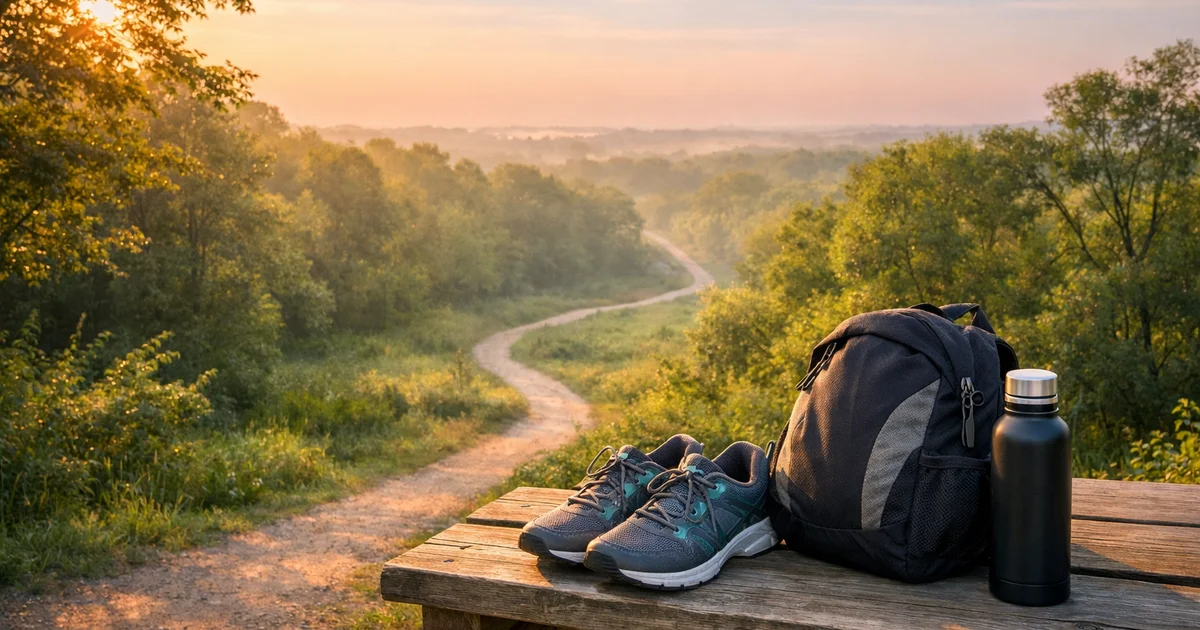
While walking is wonderfully simple, a few tools can support this habit and make it even more enjoyable. Here’s what I use:
Walking Shoes
The Brooks Men’s Ghost 18 Neutral Running & Walking Shoe has become a staple in my walking routine. Designed for everyday runners and walkers, it offers the perfect blend of soft cushioning and balanced support. With its lightweight construction and breathable fit, it ensures comfort for every step I take. This shoe isn’t just about performance; it’s about making the walking experience more enjoyable.
Check it out here: Brooks Men’s Ghost 18
Insulated Water Bottle
Staying hydrated is crucial, especially during long walks. The Owala FreeSip Insulated Stainless Steel Water Bottle is perfect for this. With a unique spout that allows for sipping or swigging, it keeps my drinks cold for hours. This convenience ensures I stay hydrated without interrupting my walk, making it an essential part of my routine.
Discover it here: Owala FreeSip Water Bottle
Lightweight Day Pack
For those longer walks, I rely on the Osprey Daylite Commuter Backpack. It’s lightweight yet spacious enough to carry essentials like snacks, my water bottle, and other gear. The design is practical, making it easy to throw on and head out without fuss. This bag helps me stay organized and prepared, enhancing my walking experience.
Find it here: Osprey Daylite Backpack
Fitness Watch
To keep track of my walking, I use the Fitbit Inspire 3 Health & Fitness Tracker. This device helps monitor my daily activity, heart rate, and even my sleep. It’s a gentle reminder to stay active and gives me insights into my overall health. Plus, it’s lightweight and comfortable enough to wear all day without feeling intrusive.
Check it out here: Fitbit Inspire 3
Conclusion
In a world filled with complicated fitness solutions, walking remains a simple yet powerful habit. It’s accessible, sustainable, and can be integrated into any lifestyle. The key is consistency. By incorporating walking into your daily routine, supported by a few reliable tools, you can cultivate a fitness habit that lasts a lifetime. Remember, the best fitness habit is often the one you can stick with, and walking might just be the most underrated path to achieving your health goals.


Comments
Join the discussion — your nickname is saved in this browser.
can my walking counts as fitness if I’m just pacing on the phone?
walking is literally just one foot in front of the other, what am I missing?
seriously, who has the time to just walk? I need like a speed-walking service or something.